Charity-Rail Gold: Vintage Sunglasses That Are Still Worth Wearing
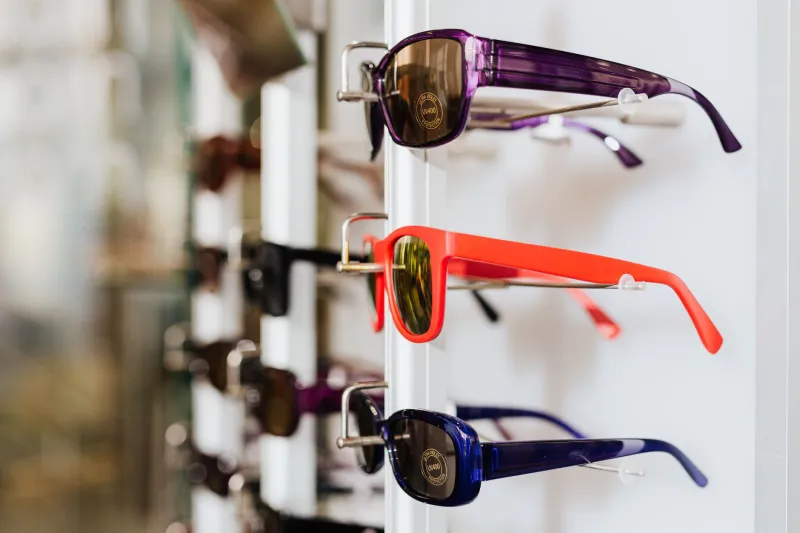
There is a particular thrill in finding a good pair of sunglasses where you least expect them: on the charity-shop rail, in a box at a car-boot sale, or on a trestle table at a church-hall vintage fair. The appeal is not just the price. It is the idea of giving a well-made frame another life, and of coming away with something that does not look like everyone else's latest high-street buy.
But secondhand sunglasses are a mixed bunch. Some are brilliant: solid acetate, properly set lenses, a shape that has quietly outlived the trend cycle. Others are bin jobs with a hopeful price tag. The trick is to shop like a stylist and inspect like a sceptic.
Start with the frame, not the label
A famous name inside the temple arm is nice, but it is not the whole story. Look at the bones of the thing first. Acetate usually feels warm and substantial in the hand, with a slight give rather than a hollow click. Metal frames should feel firm at the joints, not bendy in a way that suggests they have been sat on. If the paint is flaking off in sheets, or the plastic feels brittle and sharp at the edges, put it back.
Check the frame is sitting straight. A quick way is to open the temples and rest the glasses on a flat surface. If one side lifts like a seesaw, the frame is warped. A minor tweak might fix it; a badly twisted frame probably will not.
Six shapes that still earn their place
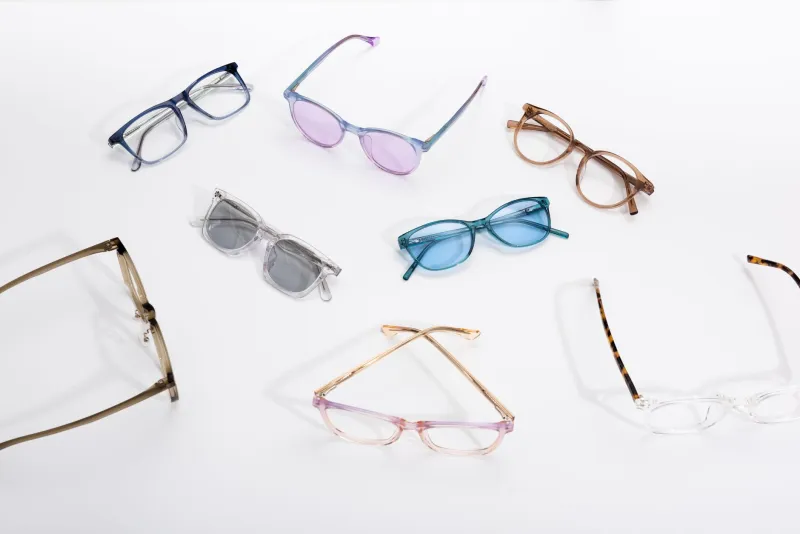
Vintage does not have to mean costume. These are the secondhand shapes that tend to look intentional rather than fancy-dress, especially with a modern wardrobe.
- The clean acetate square. Think classic wayfarer territory, but not necessarily a branded one. A plain black, tortoiseshell or deep olive frame works with everything from a trench to a hoodie.
- The thin metal aviator. Skip anything too blingy. A simple gold, silver or gunmetal wire frame feels sharp with knitwear and a wool coat.
- The slim rectangle. Very early-2000s, very much back in circulation. Keep the rest of the outfit simple so the glasses do the talking.
- The round wire frame. A softer option that suits a lot of faces, particularly if the bridge sits comfortably. It looks good with denim, tailoring and a slightly rumpled scarf.
- The oversized square. A useful winter shape because it balances bulky coats and big scarves. Just make sure it does not slide down your nose.
- The softened cat-eye. Not the extreme winged version. A gentle lift at the corners is flattering and easy to wear with everyday clothes.
The two-minute bench test
Before you fall for a frame, give it a proper once-over. Open and close the temples. They should move smoothly, without a gritty scrape or a wobble. Check the hinge screws; missing screws are not a dealbreaker, but a cracked hinge is. Give the bridge and nose pads a gentle press. If the nose pads are yellowed, brittle or missing, factor in a repair.
Then hold the glasses up to the light. Look for deep scratches right in the centre of your line of sight, cloudy patches, bubbles or peeling at the edges. Fine surface scuffs can often be polished out; a gouge across the middle of the lens cannot. If the lenses look tired, assume you will need to replace them.
Know when to walk away
Walk away from cracked hinges, snapped temple arms, heavy corrosion around metal joints and lenses that are scratched exactly where you need to see. Be wary of frames with missing nose-pad arms, deeply pitted metal or a smell of old smoke that will not shift. And do not assume dark lenses equal safe lenses. Old sunglasses may not carry a current UV marking, and charity-shop volunteers cannot verify their protection.
If the frame is good but the lenses are not, a reglaze can still make sense. Get a quote before you commit. A £4 charity-shop find with a £60 lens replacement can still be a bargain, but only if the frame is comfortable and genuinely suits you.
Fit beats folklore
A vintage frame is only a find if it fits. The bridge should sit comfortably on your nose without pinching or sliding. The temples should reach your ears without squeezing. The frame should not sit so low that you are peering over the top, or so wide that it swallows your face. If it needs a repair just to stay on, it is not the bargain you think it is.
Make old frames feel current
Styling is where secondhand sunglasses come into their own. Let the frame be the focal point and keep the rest of the look calm. A slim metal aviator with a grey coat and a plain jumper feels considered. A chunky acetate square with denim, a white tee and a trench looks effortless. Avoid leaning too hard into retro styling; you want the glasses to look like they belong to you, not like you borrowed them from a period drama.
In 2026, the strongest look is still a little undone. Wear them with everyday clothes, clean the lenses properly, and do not baby them so much that they never leave the case. A good secondhand pair should feel like a useful part of your wardrobe, not a museum piece.
Where to look, and how often
Charity shops reward repetition. Pop in regularly rather than expecting the perfect pair on your first visit. Car-boot sales are best early, before the dealers have been through. Vintage fairs are more curated and more expensive, but you can ask questions about the frame's history and condition. Wherever you are, take your time, check the hinges, hold the lenses to the light and know your price ceiling.
The best secondhand sunglasses are not the ones with the fanciest label. They are the ones with a solid frame, honest lenses, a comfortable fit and a shape you will still want to wear next summer. That is the real charity-rail gold.