Four Piles, One Drawer: The Late-November Sunglasses Edit
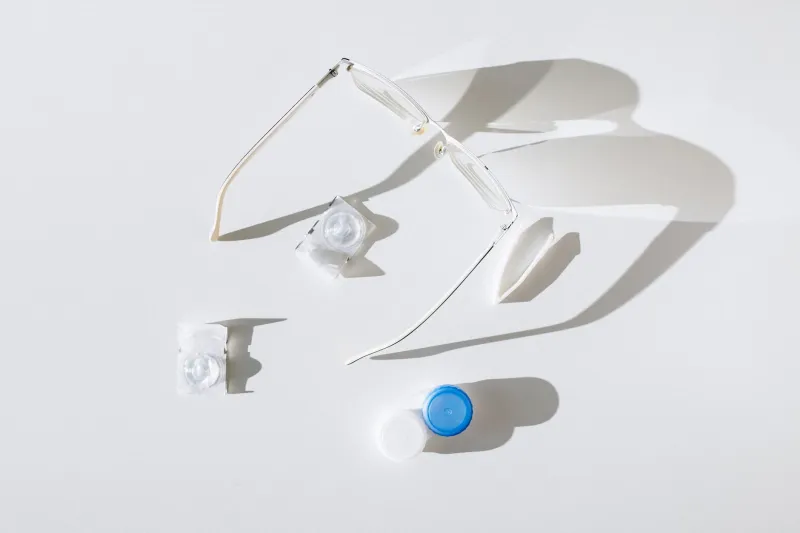
There is a particular kind of chaos that lives in a sunglasses drawer by late November. One pair is still sandy from a rare bright weekend in September. Another has a hinge that clicks like a knackered knee. A third is a spare of a spare, bought in a panic at a service station. And somewhere underneath sits the expensive pair you love, scratched exactly where you look through it.
Before the festive rush arrives — the parties, the low sun on the walk to the station, the Boxing Day drive — it is worth giving the whole collection a proper once-over. Not a vague tidy-up, but a wardrobe edit for your frames. The aim is simple: fewer decisions, better light, and a drawer where every pair has a reason to be there in 2026.
Start With the Light You Actually Get
A British late-autumn edit is not about building a collection for a Riviera summer. It is about the light you meet on a normal Tuesday: low, white, frequently reflected off wet tarmac, and capable of making a 3pm school run feel strangely cinematic. That means your keepers need to earn their place against glare, drizzle and the sort of grey sky that still manages to be blinding.
So ignore the fantasy version of your wardrobe. If a pair only works with a linen shirt and a ferry ticket, it can still be a keeper — but it should not be taking up prime drawer real estate. The question is not “do I like these?” It is “did I wear these this year, and will I wear them between now and February?”
The Four-Pile Method
Empty the drawer onto a table. Wipe the surface first; this is meant to feel like an edit, not an archaeological dig. Then make four piles: keep, fix, rehome and recycle. Be ruthless with the first and kind with the last. A pair that no longer suits you is not a failure. It is just ready for its next chapter.
Pile One: Keep, But Make It Earn Its Space
A keeper should pass three tests. First, fit: the bridge sits comfortably, the temples do not pinch, and the frames do not slide when you look down at your phone. Second, lens condition: if the scratch sits in your line of sight, it is not a keeper — it is a fix or a farewell. Third, versatility: does it work with at least three outfits you genuinely wear?
This is where cost-per-wear becomes useful. A £180 pair worn three times a week from March to October is better value than a £40 pair worn twice and then forgotten. Divide the price by the number of wears and the truth appears. But do not let the maths bully you. A pair you love for one specific thing — wedding guest duty, winter walks, driving — can still justify its place if it does that job well.
Duplicate shapes are the usual culprit. If you have three black wayfarers, choose the one with the best fit and cleanest lenses. Keep one relaxed pair and one sharper pair if they genuinely serve different outfits. The rest go to the next pile.
Pile Two: Fix the Small Stuff
Loose hinges, missing screws and flattened nose pads are not reasons to bin a good frame. Many independent opticians can tighten or adjust sunglasses, and a simple screw replacement is often quick and inexpensive. If the frame is acetate and the temple has lost its shape, a proper adjustment can make a neglected pair feel new again.
Lens scratches need a more honest assessment. A faint mark near the edge is annoying but liveable. A scratch directly in your sightline, especially on a polarised lens, is a daily distraction — and no amount of clever styling will fix it. Replacement lenses are sometimes possible, but on cheaper frames the cost can outweigh the value. Ask before you commit. If the frame is solid and the shape suits you, a lens swap can be worthwhile; if the frame was a tenner and the lenses are tired, let it go.
Pile Three: Rehome the Good but Unloved
Charity shops can be a sensible home for clean, wearable sunglasses with intact lenses and working hinges. Ring ahead or check the shop’s policy, because not every branch accepts eyewear, and scratched or broken pairs are usually not helpful. Donate with a case if you have one — it makes the pair easier to sell and keeps the lenses protected.
Friends and family are another route. A cousin who borrows your tortoiseshell pair every summer would probably love them in November. A work colleague who has just started cycling might want the sporty wraparounds you bought optimistically in 2026 and wore twice. Rehoming is not a failure of taste; it is good curation.
Pile Four: Recycle What Cannot Be Saved
Broken frames and clouded lenses should not go straight into the bin if you can avoid it. Check whether your local council accepts eyewear in its recycling stream, and ask eyewear retailers or opticians about lens and frame recycling schemes. These vary by area, so a quick call is better than a hopeful guess. If there is no scheme nearby, keep the pair in a bag until you find one rather than letting it clutter the drawer.
Store for Party Season, Not Summer
The festive period is hard on sunglasses. They get shoved into coat pockets, left in hot cars after late-night drives, and buried under gloves and umbrellas. Once the drawer is edited, give the keepers a proper home: a case each, or at least a soft pouch, kept away from keys and loose coins. Rotate two pairs to the front — one for low winter sun, one for brighter days — and put the rest away clean.
And do not store them in the car. A car-kept pair faces heat, cold and UV swings that are unkind to lenses and coatings. The drawer is not glamorous, but it is safer.
Your Ten-Minute Checklist
- Keep: good fit, clear lenses, at least three real outfits.
- Fix: loose hinge, missing screw, tired nose pads, replaceable lens.
- Rehome: clean, wearable, no longer your shape — charity shop, friend or swap.
- Recycle: cracked frame, clouded lens, repair costing more than the pair.
- Store: case, clean cloth, away from heat and keys.
By the time the fairy lights are up, your sunglasses drawer should feel less like a junk drawer and more like a small, useful wardrobe. That is the real win: not fewer sunglasses for the sake of it, but better light, better fits and fewer morning decisions when the low sun is already waiting at the end of the street.