Grit, Rain and the Odd Blinding Sunbeam: Keeping Sunglasses Alive Through a British Year
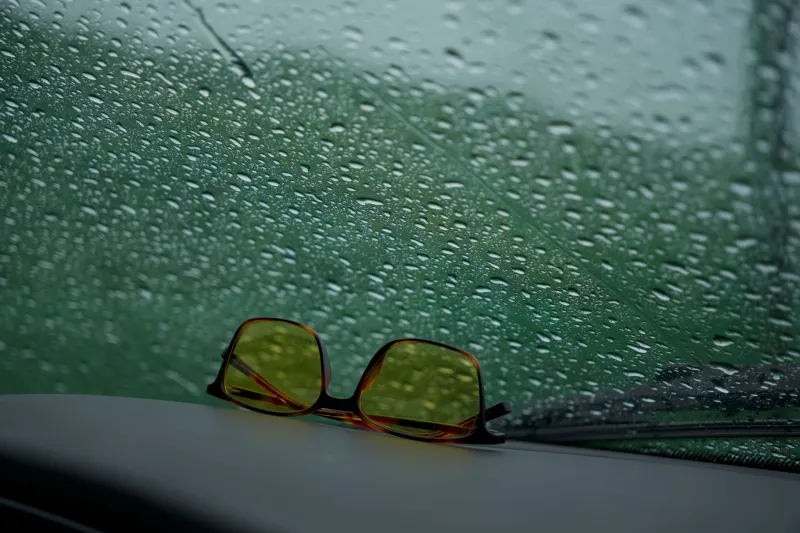
British weather does not gently suggest that you look after your sunglasses. It launches a small, gritty assault course at them. Rain arrives sideways, road grit gets everywhere, wind whips up dust from building sites, and then the sun comes out for eleven minutes and blinds you at a bus stop. A good pair of sunglasses can handle all that, but only if you give it half a chance. The following routine is less about pampering and more about keeping lenses clear, hinges tight and coatings intact through a full UK year.
Why British weather is harder on sunglasses than you think
It is not just the rain. It is the combination. Road grit acts like sandpaper if you wipe it across a lens. Salt from coastal walks and winter roads can work its way into hinges. Sudden temperature changes, from a cold doorstep to a warm car, can make coatings complain. And because British sunlight is often low and horizontal, people spend more time squinting through smeared lenses than they realise.
The enemy is rarely one big disaster. It is the daily micro-damage: a sleeve wipe here, a coat-pocket tumble there, a pair left on the dashboard in a rare heatwave. Add it all up and a decent pair of sunglasses can look tired within a season.
The cleaning routine that will not wreck coatings
Start with water, not a cloth. Rinse the lenses under lukewarm water to float away grit and dust. Add a tiny drop of mild washing-up liquid if the lenses are greasy, then use your fingertips to clean both sides gently. Rinse again. Shake off the excess and dry with a clean microfibre cloth. Do not use hot water, paper towels, kitchen roll, tissues or the hem of your T-shirt. All of those can leave micro-scratches or smears.
If you are out and about, a microfibre pouch is your friend. Blow or brush off loose dust first if you can. Then wipe gently. The key word is gently. You are not polishing a boot.
Rain spots, puddles and the temptation to wipe
Rain spots are annoying, but wet-wiping a gritty lens is worse. If your sunglasses get splashed, rinse them when you get indoors rather than scrubbing at them with a dry cloth. If you must dry them outside, dab rather than rub. Keep a spare cloth in your bag, and wash the cloth regularly. A dirty cloth is just a soft piece of sandpaper in disguise.
For anyone who cycles, runs or walks a lot in British weather, a small bottle of lens-safe cleaning spray and a cloth in a zip pocket is a sensible investment. It costs less than a replacement lens and saves a lot of squinting.
Hinges, temples and the loose screw problem
Hinges take a quiet beating. They collect grit, salt and the general fluff of bag life. Check the screws every month or so. If they are loose, tighten them gently with a small screwdriver. Do not crank them down like you are fixing a shelf. If a screw keeps coming loose, a tiny dab of clear nail varnish on the thread can help it stay put, but let it dry fully before folding the frames.
Spring hinges are more forgiving, but they still dislike being forced. Take sunglasses off with two hands where possible. Pulling them off one-handed twists the frame and gradually loosens the fit. If the temples feel wobbly, get them adjusted rather than living with it. Most opticians can tighten or adjust frames, even if you did not buy them there.
Storage that survives a coat pocket
A hard case is not a luxury. It is basic weatherproofing for your sunglasses. A soft pouch is fine for a handbag, but a coat pocket with keys, coins and a travel card is not a safe place for loose lenses. If you are the kind of person who shoves sunglasses into a rucksack, get a slim hard case and use it.
Avoid leaving sunglasses on the dashboard or in a hot car. Heat can warp frames and damage coatings. At home, keep them in a case rather than face-down on a bedside table. It sounds fussy, but it is the difference between a pair that lasts three years and a pair that lasts three months.
Coatings: mirror, anti-reflective and polarised
Coatings are brilliant until they are scratched. Mirror finishes can be delicate, so clean them with extra care and avoid abrasive cloths. Anti-reflective coatings on the back of the lens are there to stop glare bouncing into your eye, and they do not like being rubbed with dry grit. Polarised lenses are tough but not indestructible. If the polarising film is scratched, you will notice it as a blurry patch or a rainbow streak.
If a lens is scratched outside your central vision, you might tolerate it for a while. If the scratch sits right where you look, or if the coating is flaking, it is time to replace the lens or retire the pair. Do not convince yourself you can live with a distracting scratch on a sunny motorway.
When a scratched lens is worth replacing
Replacement makes sense when the frame is still comfortable and structurally sound, especially if it is a designer pair or a frame you love. It rarely makes sense for a cheap pair where a new lens costs nearly as much as a new set of sunglasses. Get a quote before you decide. If the frame is bent, the hinge is cracked or the coating is peeling across the whole lens, put the money towards a new pair.
For prescription sunglasses, replacement lenses are often the sensible route, but check the warranty and the optician’s policy first. For non-prescription pairs, compare the cost of new lenses with the cost of a similar new frame. Sometimes the answer is obvious. Sometimes it is a pleasant surprise.
Travel, staycations and the great British beach trip
A UK beach day can be brutal: sand, salt, wind and a sudden shower. Rinse sunglasses in clean water after a coastal walk, especially if they have metal hinges. Do not leave them on a towel while you swim. If you are travelling, pack them in a hard case and keep them out of the bottom of a bag where grit collects. A spare microfibre cloth in the case is a small kindness to your future self.
The short version
Rinse before you wipe. Use a clean cloth. Tighten screws gently. Store them in a case. Keep them out of hot cars. Replace lenses when the scratch sits in your line of sight. None of this is glamorous, but it keeps a good pair of sunglasses doing their job through rain, grit and the odd blinding sunbeam. And in Britain, that is most of the year.