Cold Miles, Sharp Light: Winter Running Shades for UK Mornings
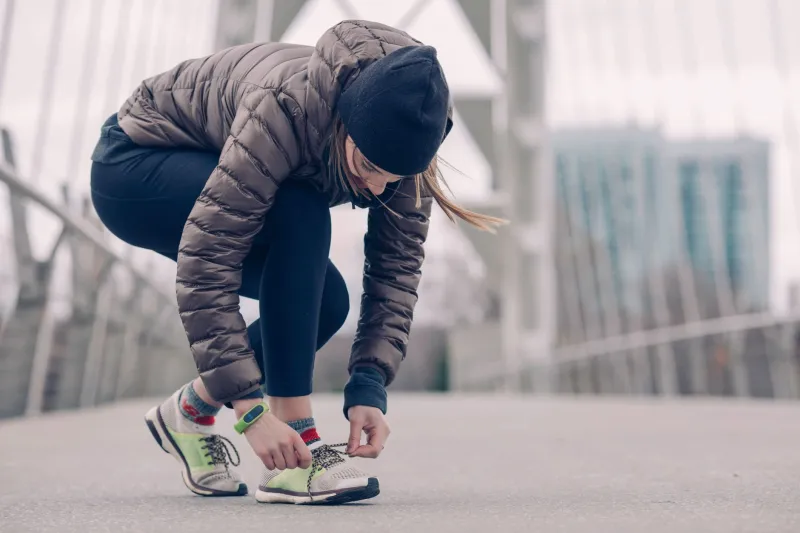
Winter running in the UK is a study in contradictions. You leave the house under a flat grey ceiling, squint into a low sun ten minutes later, then hit a shaded canal towpath where the light drops to dusk levels. Add a cold wind, a woollen headband and the small matter of your own breath fogging up your lenses, and you've got a proper eyewear problem. The good news: a decent pair of running shades can handle all of it, provided you know what to look for.
Why winter light is harder on your eyes than summer glare
Summer sun is obvious. It's high, it's bright, and your eyes tell you to reach for the darkest lenses in the drawer. Winter is sneakier. The sun sits low in the sky for hours, often directly in your line of sight as you head east or west. Wet tarmac and puddles act like mirrors, throwing glare upwards. Meanwhile, the shaded sections of a park or riverside path can be genuinely dim, especially before nine in the morning.
That combination — bright glare in one moment, murky flat light the next — is why a single pair of category 3 black lenses isn't always the answer. You want something adaptable, or at least something chosen with flat light in mind rather than a sunny July afternoon.
Lens tints for flat, grey and low-sun mornings
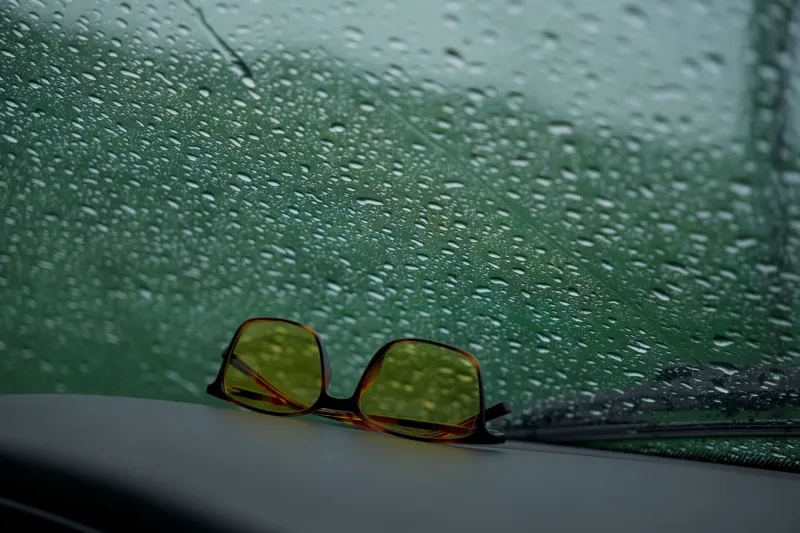
For typical British winter conditions, a rose or amber-tinted lens is a sensible starting point. These tints boost contrast in grey, low-contrast light, which helps you pick out tree roots, kerb edges and the difference between a puddle and a patch of dark tarmac. They're not as dark as a full summer lens, so they won't leave you stumbling through shaded sections.
If you're regularly running into a low sun — think a straight stretch of seafront or a west-facing commute home at four o'clock — a category 2 or 3 lens with a contrast tint is a better call. Some runners keep a lighter category 1 pair for dull days and a darker pair for bright, low-sun mornings. It's not excessive; it's the same logic as owning a light jacket and a warm one.
Photochromic lenses are worth a mention here. They lighten and darken with the conditions, which suits the stop-start light of a winter route through streets, parks and shaded towpaths. They're not instant, so don't expect them to react the second you duck under a bridge, but for a long, mixed run they take a lot of the guesswork out.
Polarised or not? A wet-pavement question
Polarisation cuts horizontal glare — the kind bouncing off wet roads, puddles and the flat surface of a canal. On a bright morning after overnight rain, that can be a genuine relief. It also helps if you're running near water, where reflections can be fierce even in winter.
The counter-argument is worth knowing. Some runners find polarised lenses make it harder to spot black ice or subtle changes in surface texture, because they cut the reflections that reveal them. That's not a reason to avoid polarisation altogether, but it is a reason to test a pair on a familiar route before trusting them on an icy morning. If you're unsure, a non-polarised contrast lens is the safer all-rounder for winter running.
Fogging: the enemy on the inside
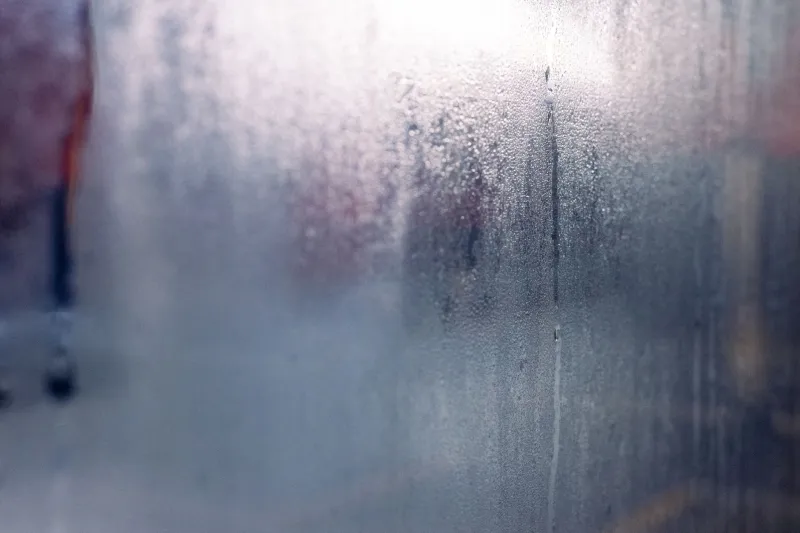
Fogged lenses are the classic winter running annoyance. You warm up, you stop at a crossing, and suddenly you're peering through a misted window. The cause is simple: warm, moist air from your face meets a cold lens surface. The fix is a mix of ventilation and surface treatment.
Look for frames with vents above the lens or an open-bottom design that lets air move through. Anti-fog coatings help, but they wear off and need careful cleaning — no rubbing with a gritty glove or a rough sleeve. A microfibre cloth and a little patience go a long way. Some runners use an anti-fog spray or wipe as a top-up, particularly on cold, damp mornings.
Fit matters here too. A frame that sits too close to your face traps warm air and fogs faster. A little airflow around the brow is your friend, even if it feels counterintuitive when you first step out into the cold.
Fit: hats, headbands and the wraparound question
Winter running means headwear, and headwear means your sunglasses have to cooperate. Thin, flexible temple arms are less likely to press against a beanie or headband and create a pressure point behind the ear. Adjustable nose pads help you fine-tune the fit so the frame sits securely without bouncing.
Wraparound styles are popular for good reason: they block wind, reduce peripheral glare and stay put on faster runs. The trade-off is that some wraparounds can clash with a hat or feel too much like race kit for everyday use. If you want one pair that does both, look for a gently curved frame rather than a full-on shield, with a matte finish and a neutral colour. It'll still cut the wind, but it won't look out of place when you stop for a coffee.
From towpath to coffee shop: frames that don't look like kit
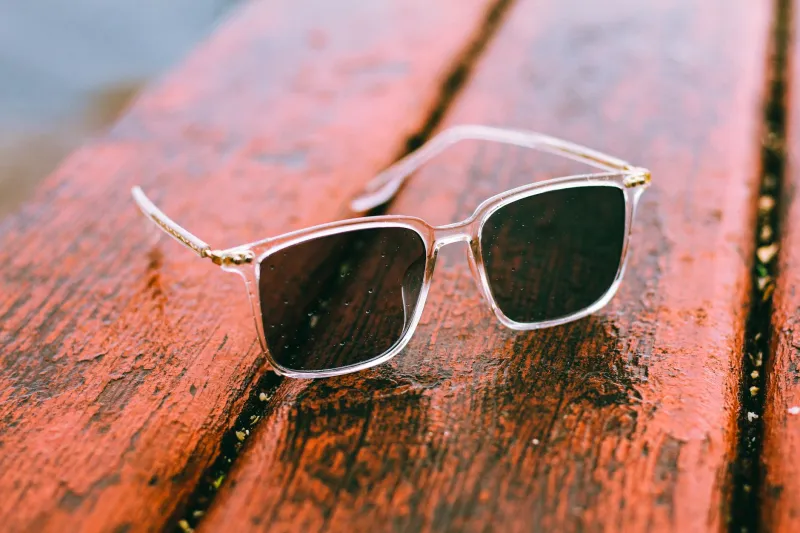
There's no rule that says running shades have to look like they belong on a start line. A pair with a simple silhouette, muted frame colour and a contrast lens can happily move from canal path to high street. Think matte black, slate grey, dark olive or a translucent crystal frame — colours that work with a waterproof jacket and a wool coat alike.
If you want to hedge your bets, interchangeable lens systems let you switch from a dark low-sun lens to a lighter contrast lens without buying a second frame. They add a little bulk, but they're practical for anyone who runs in all seasons and doesn't want a drawer full of eyewear.
Cold-weather care that keeps frames alive
Winter is hard on plastics. Cold makes some frame materials more brittle, so avoid stuffing your shades loose into a bag where they can get twisted or crushed. A hard case is worth the small extra weight. Don't leave them on a car dashboard overnight, and rinse off road grit or salt spray with clean water rather than wiping it dry, which can scratch the lens.
Finally, give your lenses a proper clean after a muddy run. Towpath splashes and road spray leave a film that dulls the lens and makes glare worse next time. A lukewarm rinse, a drop of mild soap and a microfibre dry will keep them clear and contrasty through to spring.
Winter running doesn't need to be a squint-and-hope situation. Pick a lens for flat light, think about ventilation before you think about style, and choose a frame that plays nicely with your hat. The right pair will earn its place on the towpath — and look perfectly reasonable when you're queuing for a flat white afterwards.