Spare Pair, Sharp Light: The Ski Sunglasses That Live in Your Jacket
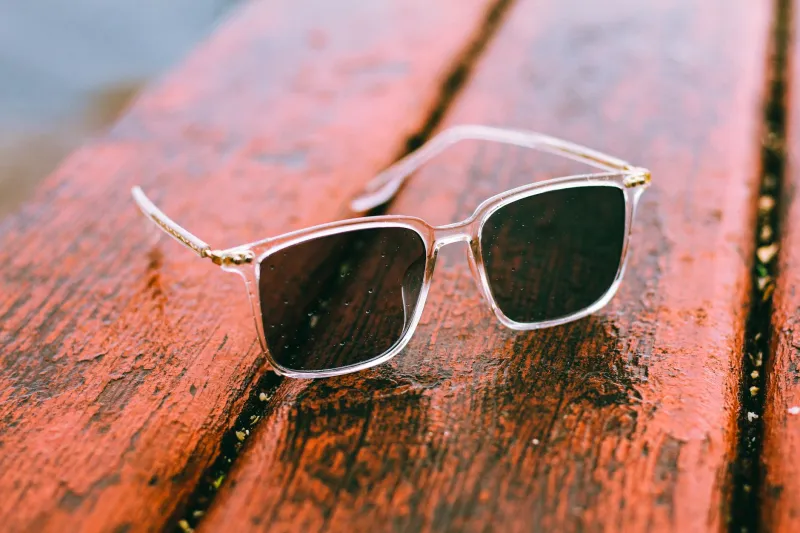
There’s a moment on every ski trip when the goggles come off. You’re on a sun-drenched terrace at 2,000 metres, a plate of tartiflette is heading your way, and the last thing you want is a foggy double lens strapped to your face. That’s when the understudy earns its keep: a pair of sunglasses that lives in your jacket, ready for the bits of the day that goggles weren’t designed for.
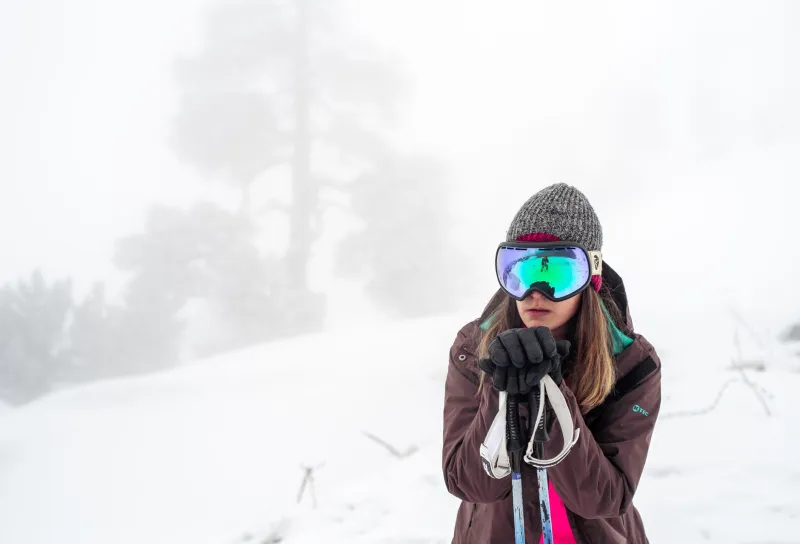
This isn’t about replacing goggles on the descent. Goggles win for wind protection, peripheral vision and keeping snow out of your eyes when you’re moving fast. But a ski trip is a long day with many small scenes, and a spare pair of sunglasses makes all of them easier. Here’s how to pick a pair that actually works on the mountain rather than just looking the part in the chalet.
Why goggles can’t do the whole shift
Goggles are brilliant at what they do, but they’re a commitment. They fog when you stop, they’re awkward to shove in a pocket, and wearing them inside a mountain restaurant feels like keeping your helmet on at dinner. Sunglasses are the opposite: quick to put on, easy to stash, and perfectly acceptable at a ski-school pickup or a mid-morning coffee stop.
They’re also useful when you’re not skiing at all. The walk from the chalet to the lift, the drive to the hire shop, the post-ski wander around town — all of these involve bright, low or reflected light that goggles would make ridiculous. A spare pair is pocket-sized insurance against squinting your way through the good bits.
Reading the mountain light: lens categories at altitude
Snow multiplies light. A cloudy day at sea level might feel dull, but at altitude with a white floor beneath you, even flat light has real intensity. That’s why lens category matters more on the mountain than it does on a British high street.
For most UK skiers, two categories cover the trip. A category 2 lens is the flat-light workhorse: dark enough to take the edge off, light enough to keep detail visible when the cloud sits low. A category 3 lens handles mixed conditions and bluebird afternoons without going full blackout. If you’re skiing high and bright in late season, a category 4 lens is tempting, but remember it’s not legal for driving in the UK and can feel too dark when the weather closes in. For a jacket-pocket understudy, category 2 and 3 are the sensible pair.
Don’t ignore the tint. Lens colour changes how you see the snow, not just how much light hits your eye. Rose and copper tints boost contrast in flat light, which is why they’re popular for overcast days and low-visibility afternoons. Grey and brown tints keep colours natural and handle bright sun without distorting the landscape. A green or silver mirror finish is more about style than performance, though it can help cut glare on a glaring glacier.
Flat light versus bluebird: a two-tint strategy
If you only pack one pair of sunglasses, choose a contrast-boosting rose or copper lens in category 2. It’s the pair that makes a grey afternoon feel less like skiing inside a Tupperware box. It won’t be ideal on a blazing bluebird day, but it will stop you reaching for your goggles every time a cloud passes.
If you’ve got room for two, add a category 3 grey or brown pair for bright days. That’s the pair for long lunches, ski-school pickups and the drive back down the valley when the sun is bouncing off wet tarmac. It’s also the pair you’ll wear home on the transfer bus while everyone else is squinting through their goggles.
Polarised lenses are worth a mention. They cut glare off snow and wet roads beautifully, but some skiers find they flatten contrast too much on ice. For lunch stops and driving, they’re excellent. For actual skiing, a non-polarised contrast lens is often the safer bet.
The pocket test: frames that survive a season
A ski understudy lives a hard life. It gets stuffed in a jacket pocket with a lift pass, a phone and half a cereal bar. It gets sat on in a gondola. It gets dropped on a boot-packed floor. So buy for durability as much as looks.
Look for TR-90 or nylon frames — they flex rather than snap. Metal frames can freeze against your skin and bend out of shape in a fall. Rubberised nose pads and temple tips help the glasses stay put when you’re wearing a beanie, and spring hinges are a small mercy when you’re pulling them on and off with gloves. A microfibre pouch isn’t a luxury; it’s the difference between a lens that lasts the season and one that looks like a skating rink by February.
From ski school to chalet: where the understudy earns its keep
The morning ski-school drop-off is a classic sunglasses moment. You’re standing around in boots, watching small children in helmets, and the light is bouncing off everything. Goggles feel excessive; no eye protection feels careless. A category 2 pair in a contrast tint is exactly right.
Lunch is the other big one. On a sunny terrace, you want something that cuts glare without making you look like you’ve just come off the downhill course. A simple frame in a dark colour — black, tortoise, navy — works with whatever you’re wearing. If you’re the sort of person who changes for apres, a second pair in a warmer frame colour is a nice touch, but it’s not essential.
And then there’s the journey home. Alpine roads in winter are a strobe of low sun, tunnel darkness and wet tarmac. A category 3 pair with a grey lens is far more comfortable than squinting through a windscreen. Keep them in the glovebox or the door pocket, not the bottom of a ski bag.
A quick packing list for the understudy
- One category 2 rose or copper lens for flat light and everyday mountain wear.
- One category 3 grey or brown lens for bright days and driving.
- A microfibre pouch and a lens cloth. Snow melts, then smears.
- A retainer strap if you’re wearing them on the lift or leaning over a balcony.
- A hard case for the journey, because ski bags are not gentle places.
Goggles will always be the main event on the piste. But the pair in your jacket pocket is the one that makes the rest of the day feel easy. Choose it with the same care you’d give your lenses, and it’ll quietly do more work than any other bit of kit you pack.