Tiny Temples, Serious Shades: Choosing Kids’ Sunglasses That Survive the School Run
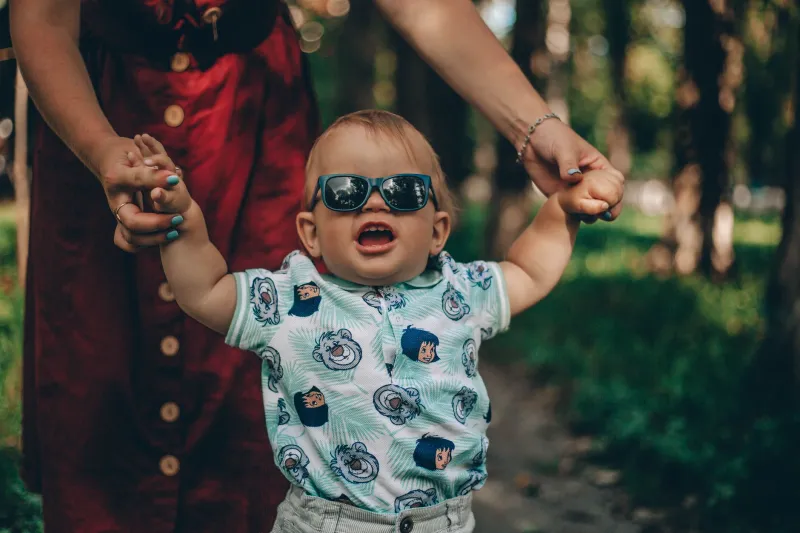
Children’s sunglasses have a habit of looking brilliant in the shop and then vanishing into the void somewhere between the front door and the school gate. The problem is rarely the child. More often it’s the fit, the lens quality or the fact that the frames were designed for a holiday snap rather than real family life. If you want a pair that protects young eyes and survives the daily routine, it helps to think like a parent first and a shopper second.
Protection first, style second — but not style last
For children, the non-negotiable is UV protection. Look for sunglasses marked UV400 or 100% UVA and UVB protection, and check for UKCA or CE marking where relevant. Toy sunglasses, fancy-dress frames and freebie pairs from party bags are not the same thing as proper eyewear. If the label is vague, the lenses are very dark without any UV information, or the price seems too good to be true, leave them on the shelf.
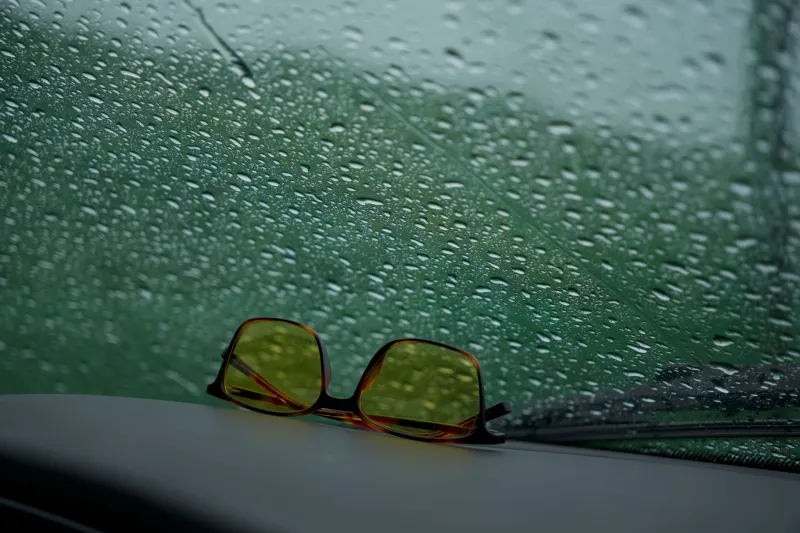
A decent lens should also be suitable for the light. Category 3 lenses are a sensible all-rounder for bright British summer days and holidays abroad. Category 2 can work for overcast conditions or children who find darker lenses uncomfortable. Very dark category 4 lenses are not ideal for everyday wear, especially near traffic, because they cut too much light for safe visibility.
Style still matters, of course. A child is far more likely to wear something they actually like. Translucent frames, bold primary colours, sporty wraps and simple retro shapes all work well without looking like miniature adult sunglasses. The trick is to let them choose the colour while you quietly check the fit and the label.
The fit check for smaller faces
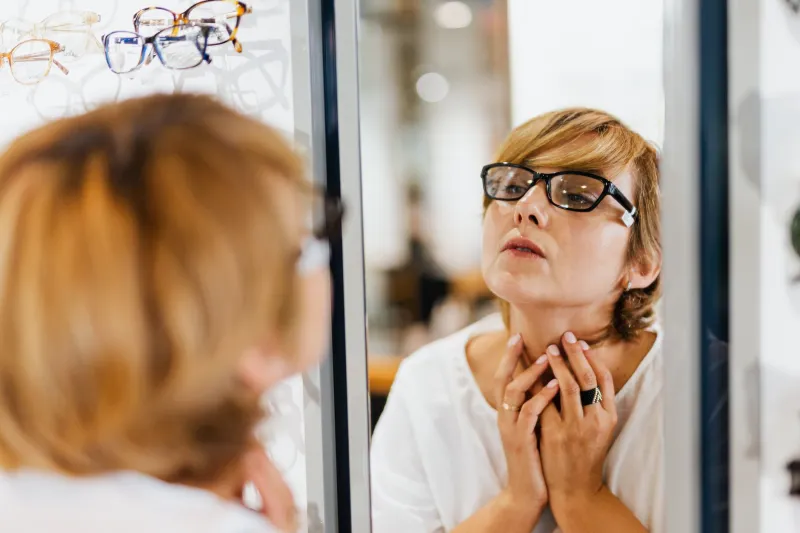
Adult sunglasses scaled down are not automatically children’s sunglasses. A good pair should sit close to the face without pinching. The bridge — the bit across the nose — should rest comfortably without sliding down or pressing on the sides of the nose. If the frames sit too low, the child will end up looking over the top of the lenses, which defeats the point.
The temples, or arms, should reach the ears without digging in. They should be snug enough that the sunglasses do not shift when your child nods, but not so tight that they leave marks. For younger children, a wrap-style frame or a pair with flexible temples can be a practical choice because it hugs the head shape and stays put during playground laps.
Silicone nose pads and soft temple tips are small details that make a big difference. So are spring hinges, which allow the arms to flex outwards rather than snapping when they are pulled on one-handed. If your child is between sizes, err on the side of a slightly closer fit rather than a pair they will grow into by next summer. Loose sunglasses are the ones that get lost, sat on or abandoned on a bench.
Straps, hinges and the art of keeping them on
A detachable strap is a quiet superhero for younger children. It keeps the frames attached during running, scooting and the general chaos of a park afternoon, and it means you are not repeatedly retrieving sunglasses from the pavement. For older children, a simple cord or retainer can be useful on active days without feeling babyish.
Hinges deserve a mention because they take a beating. Look for flexible or spring-loaded hinges and avoid very thin, brittle arms. A soft case that lives in the school bag is also worth the small extra cost. The best sunglasses are not the most precious ones; they are the ones that can be folded, pocketed and pulled out again without a drama.
Getting children to keep sunglasses on is less about nagging and more about routine. Put them by the door with the sunscreen. Let your child pick the colour. Wear your own pair so it feels normal rather than a rule imposed from above. Practise wearing them for short trips first, then build up. If a pair is uncomfortable, tight or constantly slipping, fix the fit rather than turning it into a daily battle. A child who is busy climbing or drawing will forget they are wearing sunglasses if they feel secure.
A sensible UK family approach
British weather being what it is, sunglasses are not just a July accessory. Low winter sun on the school run can be genuinely dazzling, and bright spring mornings catch everyone out. Keep a pair in the car, one by the front door and one in the book bag if your child is old enough to manage them. A cheaper second pair for nursery or messy play is often a smart move.
Finally, remember that sunglasses protect against glare and UV, but children should never look directly at the sun. Good habits start early: proper lenses, a comfortable fit and a pair they are happy to put on without being asked five times. Get those basics right and the school-run sunglasses stand-off becomes one less thing to worry about.