Walkies in Winter Light: Shades That Handle Mud, Rain and a Pulling Spaniel
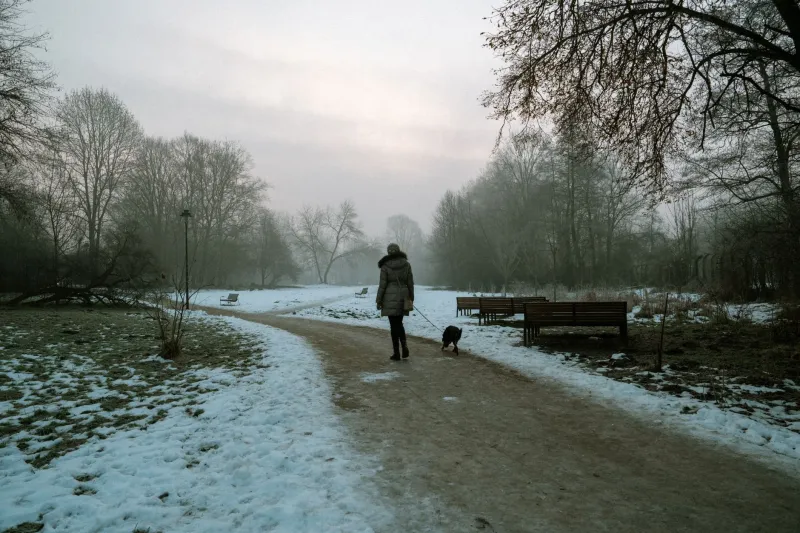
There is a particular kind of British winter glare that arrives at about 8.15am, sideways over a row of parked cars, straight into the eyes of anyone attached to a dog. The pavement is wet, the tarmac is shining, and the lead is doing its best impression of a skipping rope. Normal sunglasses choices tend to fall apart here: too precious, too loose, too dark for a grey morning, or simply gone missing somewhere between the poo bin and the front door.
So this is a wardrobe approach, not a single heroic pair. Think of it as kit that happens to look decent with a waterproof jacket and a pair of wellies.
Why winter light is harder than summer light
Summer sun is high and obvious. Winter sun is low, relentless and often reflecting off something wet. That combination of direct glare and bounced light off roads, puddles and car bonnets is exactly what polarised lenses are made for. A decent polarised pair cuts the horizontal glare that makes wet tarmac look like a sheet of tin foil, which matters when you are trying to spot a cyclist, a kerb or a suspicious pile of leaves.
For most dog walks, a Category 2 lens is the sweet spot: dark enough for bright low sun, light enough for the flat grey stretches that make up most of a British December. A Category 3 pair is useful for genuinely bright, clear mornings, but can feel gloomy under heavy cloud. Category 4 is a no for anything involving roads or driving to the park. If you walk at dusk, a lighter lens with a rose or amber tint can lift contrast without turning the world into a cave.
Polarisation is the upgrade worth paying for. It is the difference between squinting at a wet road and simply seeing it.
Frames that stay put when the lead goes tight
A dog walk is a fit test disguised as a stroll. You bend down, you get pulled, you shove a hand in a pocket for a treat, you tuck your chin against the wind. Anything with a loose bridge or slick temples will slide.
Look for a gentle wrap shape rather than a full cycling shield. A slight curve hugs the face and blocks side glare, but still looks like a normal pair of sunglasses rather than race equipment. Rubberised nose pads and temple tips are the quiet heroes here. They grip without pinching and survive the damp.
Material matters too. TR90 and other modern nylon frames are light, springy and happy in the rain. Acetate can look lovely, but cheaper acetate plus a wet pocket plus a tugging Labrador is a recipe for a bent hinge. If you love acetate, choose a pair with sturdy metal core wires and a proper case.
Dressing with shades, waterproofs and wellies
There is a fine line between 'practical dog owner' and 'about to attempt a winter ascent'. The trick is to keep the sunglasses as the sharp bit and let everything else stay soft and simple. Black, tortoiseshell, olive, navy and gunmetal all sit happily with waterproof jackets and fleeces. Neon running shades can look brilliant, but they tend to make a muddy spaniel look like an accessory to a sport you are not actually doing.
A thin neck cord is not a fashion crime. It is the difference between a pair that survives the walk and a pair that ends up under a bush. Choose a plain cord in black or navy rather than anything branded too loudly. If you wear a beanie, check that the temples do not press against the hat; a slightly thinner temple arm is more comfortable under wool.
The test-walk checklist
Before you commit, do a proper five-minute trial in the garden or on the pavement outside the shop:
- Look down at an imaginary dog. Do the frames slide forward or touch your cheeks?
- Tilt your head back as if checking the sky. Is the bridge comfortable?
- Shake your head gently. If they move, they will move more when a squirrel appears.
- Look at a wet road or a shiny car. Does the glare soften without making everything feel dim?
- Try putting them on and taking them off with cold hands. Fiddly hinges are a winter misery.
- Check the case. If it will not fit in a coat pocket, you will stop using it.
Budget-friendly picks that earn their keep
You do not need designer frames for this job. A sensible first pair sits under £40: look for polarised lenses, a TR90 or rubberised frame and a soft microfibre pouch that doubles as a cleaning cloth. Sports-lite own-brand styles are often excellent here, and no one at the park will be inspecting the logo.
In the £40 to £80 range, you can add better lens coatings, a proper hard case and genuinely grippy nose pads. This is the sweet spot for a everyday winter pair that lives in the coat pocket.
Above that, spend only if the fit is noticeably better or you want a second, smarter pair for the pub after the walk. A cheap second pair kept by the door is more useful than one expensive pair kept in a drawer because you are afraid of scratching it.
Looking after muddy shades
Rinse mud off with cool water before you wipe. Wiping grit across a lens is how scratches happen. Dry with a clean microfibre cloth, not kitchen roll, and never leave them on a radiator or on the dashboard. Keep a spare microfibre in the dog-walking coat and accept that it will eventually smell of damp Labrador. That is simply part of the wardrobe now.
The goal is simple: see the low sun, spot the wet kerb, keep hold of the lead, and still look like yourself when you stop for a coffee on the way home.