Frames They’ll Actually Wear: A 2026 Sunglasses Gifting Map
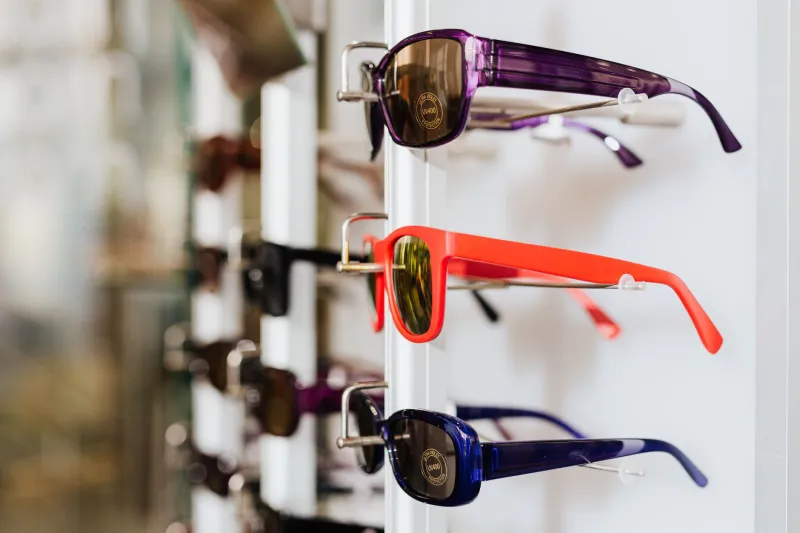
Buying sunglasses for someone else is a bit like choosing a haircut for them: the intention is lovely, the execution can go badly wrong. The trick is to stop thinking about what looks good on a display stand and start thinking about what they will actually reach for on a Tuesday in March. British light is not California light. It is low, changeable and often doing three things at once. So the best sunglasses gift is rarely the boldest pair in the shop. It is the pair that fits, flatters and copes with a sky that cannot make up its mind.
Start with their face, not the box
Before you look at price tags, think about the face you are buying for. A frame that pinches at the temples will be left at home. A bridge that slides down the nose will be pushed up a hundred times a day. A lens that sits too far from the eye lets in light from the sides, which rather defeats the point. Look at the sunglasses they already wear, even if they are a bit scratched. Are they oversized? Narrow? Metal? Chunky acetate? That tells you more than any trend piece.
Fit is the unglamorous hero of gifting. Check bridge width and temple length if you can. If you are buying online, note the measurements of a pair they already like and compare. And remember that a generous return policy is not a boring detail; it is the difference between a thoughtful gift and a polite thank-you text.
Under £50: high-street finds that do not feel like a compromise
The sub-£50 zone has improved enormously. You can find proper UV400 protection, decent acetate-feel frames and sensible shapes without straying into novelty territory. This is the right budget for a second pair: the one that lives in the car, the work bag or the hallway drawer. It is also a good level for someone who is sunglasses-curious but has never spent real money on a pair.
Look for clean lines rather than loud logos. A simple square or softened cat-eye in tortoiseshell, black or translucent grey will earn its keep. Check the returns window before you buy, especially with high-street chains, and keep the receipt tucked into the case. If the recipient is hard on their things, do not spend more than you would be comfortable seeing scratched by June.
£50–£150: the everyday sweet spot
This is where gifting gets interesting. You start to see better hinges, more comfortable nose pads and lenses with proper coatings. For a UK wearer, this is often the sensible ceiling for an everyday pair: good enough to feel special, not so expensive that every small mark feels like a tragedy.
Polarised lenses are worth considering for anyone who drives or spends time near water, though some people find them odd with certain car dashboards and screens. Spring hinges are a quiet win for anyone who takes their sunglasses on and off constantly. A solid case and a microfibre cloth included in the box might sound minor, but they are the difference between a gift that gets used and one that gets shoved in a glovebox unprotected.
The designer upgrade: what you are actually paying for
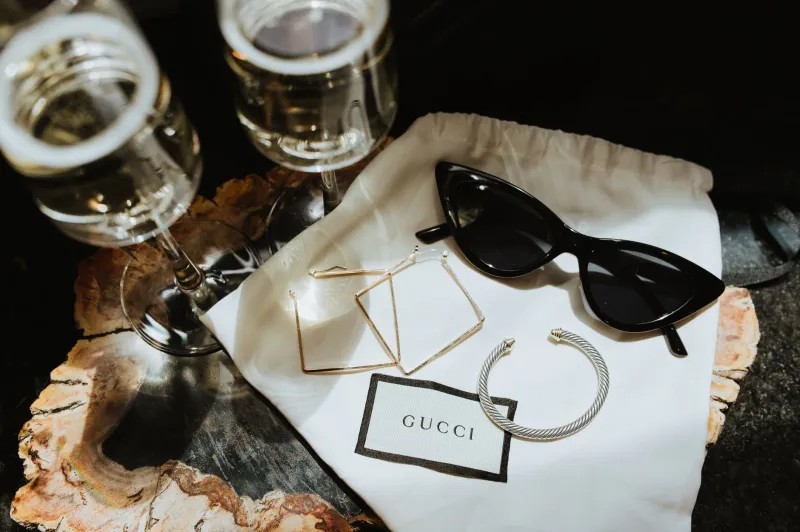
If you are going proper designer, go for the right reasons. You are paying for lens quality, frame finishing, comfortable fit and after-sales support. You are not paying for a logo to do the heavy lifting. A well-chosen designer pair can last years if the recipient looks after it, which makes it a genuinely good gift for someone who never buys themselves nice things.
Be careful with online bargains. If the price looks impossible, it probably is. Buy from authorised stockists, check the returns policy and make sure the frames come with proper packaging and paperwork. A designer pair that arrives in a flimsy sleeve and cannot be returned is not a bargain; it is a headache with temples.
Match the tint to the British sky
A very dark lens can feel like overkill on a grey February day. For general UK use, a category 2 or category 3 lens is usually more versatile than the darkest option. Grey lenses keep colours neutral, green lenses can be soothing for long periods outdoors, and brown or amber tints add warmth and contrast on flat, overcast days.
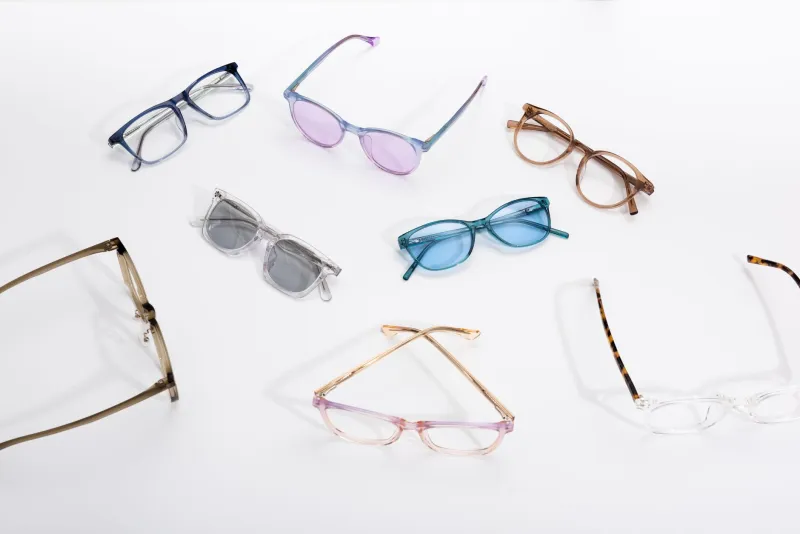
If the recipient is a driver, a commuter or someone who moves between indoors and outdoors all day, photochromic lenses are worth a look. They are not magic, and they do not work instantly behind a car windscreen, but they are a practical choice for people who resent swapping glasses. For pure fashion gifts, tint is part of the fun, but keep the practical wearer in mind. A beautiful pale pink lens is lovely until you are squinting into a low winter sun.
The drawer-proof checklist
A gift that ends up in a drawer usually fails on one of four points: fit, glare, fragility or fuss. Before you commit, ask yourself whether the recipient will be able to wear these for an hour without adjusting them. Will the lenses actually help in everyday light? Are the frames sturdy enough for a bag? And is there a returns route if the shape is wrong?
It also helps to include a small care kit: a proper cloth, a hard case and a note about not wiping grit with a tissue. It sounds like dad advice, but it keeps the gift alive. And if you are buying for someone with a prescription, check whether the frames can take prescription lenses before you fall in love with them.
A few recipient shortcuts
The commuter wants lightweight frames, a secure fit and a lens that handles changing light. The dog walker wants something robust that can survive a pocket and a sudden shower. The driver wants polarisation and a shape that does not block peripheral vision. The fashion-led friend wants a colour or silhouette that feels current, but still wearable. The minimalist wants one pair that goes with everything and does not announce itself.
None of these people need the most expensive pair in the shop. They need the pair that suits their actual life. That is the whole point of thoughtful gifting: not hype, not a logo, just a frame that makes them feel a bit more put-together every time they put it on.